

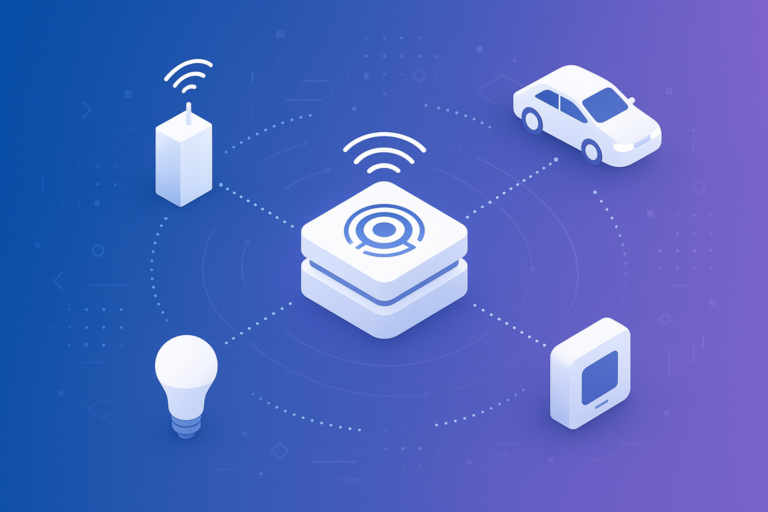
White-Label IoT Connectivity Platforms in 2026: Empowering B2B Innovation
As the Internet of Things (IoT) ecosystem matures in 2026, businesses are accelerating digital transformation by embedding connectivity deeper into their operations. At the heart of this evolution are IoT connectivity platforms—turnkey solutions designed to securely connect, manage, and scale fleets of devices. Among these, white-label IoT connectivity platforms are emerging as a strategic choice for B2B providers seeking agility, differentiation, and swift go-to-market capabilities.
Understanding White-Label IoT Connectivity Platforms
White-label IoT connectivity platforms enable enterprises, system integrators, and technology vendors to deliver robust IoT solutions under their own brand. These platforms abstract the complexity of network integration, device management, security, and compliance, offering a customizable interface and comprehensive APIs to suit diverse verticals—from smart manufacturing and logistics to healthcare and energy management.
Key Trends Shaping the Industry in 2026
- 5G and Beyond: With widespread 5G adoption and early deployments of 6G, platforms now offer enhanced bandwidth, ultra-low latency, and dynamic network slicing, facilitating real-time IoT applications at scale.
- AI-Driven Connectivity Management: Artificial intelligence powers predictive maintenance, adaptive device orchestration, and anomaly detection, reducing operational costs and downtime.
- Zero-Touch Provisioning: Seamless onboarding and lifecycle management of devices are standard, minimizing manual intervention and accelerating deployments.
- Edge-to-Cloud Integration: White-label solutions now provide native support for edge processing, ensuring efficient data handling, local analytics, and compliance with data sovereignty regulations.
- Multi-Network and eSIM Orchestration: Platforms manage cellular, LPWAN, satellite, and Wi-Fi connections. Advanced eSIM provisioning enables global, uninterrupted connectivity for cross-border IoT fleets.
- Enhanced Security Frameworks: End-to-end encryption, AI-powered threat detection, and continuous compliance monitoring have become baseline features, addressing the evolving threat landscape.
Benefits of White-Label IoT Connectivity for B2B Providers
White-label IoT connectivity platforms deliver significant value for B2B providers aiming to expand their service offerings and deepen client relationships:
- Brand Ownership: Offer end-to-end IoT connectivity services under your own brand, boosting trust and differentiation in competitive markets.
- Faster Time-to-Market: Leverage ready-made, scalable infrastructure to launch new services rapidly, without heavy R&D investment.
- Customizable Integration: Tailor user interfaces, workflows, and APIs to specific vertical needs, enhancing customer experience and operational efficiency.
- Recurring Revenue Streams: Monetize IoT connectivity and management as a subscription or consumption-based service, enabling predictable, scalable growth.
- Focus on Value-Added Services: Shift resources from infrastructure management to innovation—develop industry-specific analytics, compliance tools, and automation capabilities.
Critical Considerations When Selecting a Provider in 2026
Choosing the right white-label IoT connectivity platform is pivotal for long-term success. Decision-makers should evaluate providers against several 2026 industry benchmarks:
- Network Diversity & Global Reach: Ensure support for multi-network, multi-protocol (5G, LTE, LPWAN, satellite) connectivity and seamless international coverage.
- Security & Compliance: Verify advanced encryption, AI-driven security features, and adherence to the latest global data privacy standards, including region-specific regulations.
- Scalability & Performance: Assess the platform’s ability to handle millions of devices, spikes in data traffic, and real-time analytics without degradation.
- API-Centric Architecture: Look for open, well-documented APIs and SDKs that facilitate rapid integration with existing enterprise systems and third-party applications.
- Customization & Branding: Examine the depth of white-label options for dashboards, billing, notifications, and reporting—crucial for client retention.
- AI and Automation: Prioritize platforms with embedded AI/ML capabilities for device management, predictive analytics, and automated policy enforcement.
- Support & Service Level Agreements (SLAs): Demand 24/7 support, transparent SLAs, and robust onboarding resources, especially for mission-critical deployments.
Actionable Advice for B2B Leaders Entering the Market
For B2B providers considering white-label IoT connectivity, these best practices are essential for success in 2026:
- Engage Stakeholders Early: Involve IT, operations, and compliance teams from the outset to ensure alignment and smooth integration.
- Map Out Vertical Use Cases: Define your target industries and tailor connectivity services to solve specific operational challenges—such as asset tracking, condition monitoring, or remote diagnostics.
- Pilot and Iterate: Run controlled pilots with key clients to validate features, performance, and user experience before full-scale rollout.
- Invest in Training: Equip sales, support, and technical teams with in-depth knowledge of the platform’s capabilities and differentiators.
- Develop an Ecosystem: Partner with device manufacturers, systems integrators, and industry bodies to expand offerings and drive adoption.
- Monitor Regulatory Shifts: Stay ahead of evolving data residency, privacy, and cybersecurity regulations impacting IoT deployments in your target markets.
Noteworthy Developments and Innovations in 2026
Several advances are defining the competitive landscape for white-label IoT connectivity platforms this year:
- Quantum-Resistant Security: Early adopters are rolling out post-quantum cryptography features, future-proofing device fleets against emerging cyber threats.
- Autonomous Device Meshes: Platforms now enable dynamic, self-healing meshes that adapt connectivity paths in real time, maximizing uptime in demanding environments.
- Green IoT Initiatives: Sustainability is paramount. Providers are embedding carbon tracking, energy optimization, and lifecycle analytics to help enterprises meet net-zero goals.
- Composable Platform Architectures: Modular, API-first approaches allow B2B providers to mix-and-match best-in-class components, driving innovation and vendor flexibility.
Future Outlook: The Next Chapter for IoT Connectivity
The pace of IoT adoption is accelerating, and white-label connectivity platforms are central to unlocking new business models, operational efficiencies, and customer experiences. As 2026 progresses, expect to see:
- Greater convergence of IoT, AI, and edge computing for real-time, autonomous operations
- Expansion of industry-specific solutions, from precision agriculture to predictive maintenance in manufacturing
- Continued evolution of security standards and interoperability frameworks
B2B leaders who leverage flexible, future-proof white-label IoT connectivity platforms will be well-positioned to capture new revenue streams and drive digital transformation across industries.
Conclusion
White-label IoT connectivity platforms have matured into critical enablers for B2B innovation in 2026. As the technology landscape continues to evolve, providers that prioritize scalability, security, and customization will deliver the most value to their clients. By staying agile and embracing the latest platform capabilities, B2B organizations can thrive in the connected future.