

Introduction
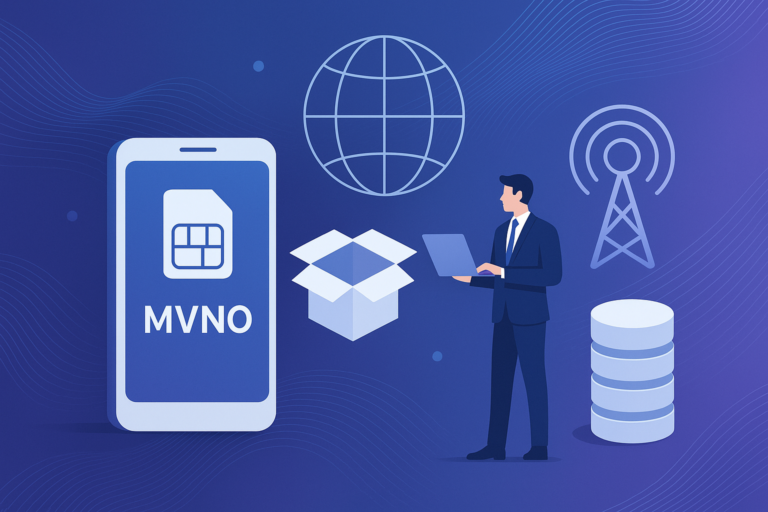
The Mobile Virtual Network Operator (MVNO) industry is evolving rapidly in 2026, with white-label solutions and B2B providers at the forefront of innovation. As enterprises seek to deliver customized mobile services without investing in network infrastructure, white-label MVNO platforms are becoming the go-to strategy. Whether you are a tech disruptor, established telecom, or an enterprise exploring new revenue streams, understanding the latest MVNO solutions is crucial for business growth and customer retention.
The Rise of White-Label MVNO Solutions in 2026
White-label MVNO solutions allow organizations to launch branded mobile services leveraging the infrastructure of established Mobile Network Operators (MNOs). The 2026 market is characterized by increased demand for tailored connectivity, seamless digital experiences, and rapid go-to-market timelines. B2B MVNO providers have responded by delivering flexible, API-driven platforms designed for scalability and innovation.
Key Drivers Shaping the Market
- 5G and Beyond: As 5G coverage becomes ubiquitous and early 6G trials start, MVNOs can offer differentiated services—like ultra-low latency, IoT connectivity, and private networks—without owning spectrum.
- Vertical-Specific Solutions: White-label MVNOs now cater to niche markets such as healthcare, automotive, logistics, and fintech, enabling custom feature sets and compliance modules.
- AI-Driven Personalization: Leading MVNO platforms harness AI for real-time customer segmentation, churn prediction, and dynamic pricing, elevating user experience and operator margins.
- eSIM and Remote Provisioning: The mainstream adoption of eSIMs in consumer and enterprise devices accelerates digital onboarding and multi-device management, which white-label providers fully support.
2026 Trends in White-Label MVNO Solutions
The MVNO sector in 2026 is shaped by several notable trends, each bringing new opportunities and considerations for businesses:
1. Full-Stack, Cloud-Native Platforms
Modern B2B MVNO providers deliver full-stack, cloud-native solutions encompassing OSS/BSS, billing, customer management, and analytics. These platforms enable seamless integration with enterprise systems and support rapid feature deployment through microservices architectures.
2. End-to-End API Ecosystems
APIs are now central to white-label MVNO offerings, allowing partners to embed telecom capabilities directly into their digital products. This trend supports everything from custom onboarding flows to real-time data usage dashboards.
3. Data-Driven Monetization Strategies
Advanced analytics and machine learning help MVNOs identify new revenue streams, from sponsored data plans to context-aware upselling. Providers offer out-of-the-box tools for campaign automation, loyalty programs, and personalized offers.
4. Security & Compliance as Differentiators
With stricter data privacy regulations and growing cyber threats, white-label MVNO platforms emphasize enterprise-grade security, end-to-end encryption, and automated compliance checks. Providers are investing in continuous monitoring and zero-trust architectures.
5. Sustainability & Green Initiatives
Environmental responsibility is a key focus for 2026. Providers offer sustainability dashboards, carbon footprint reporting, and green SIM options, helping MVNO brands align with ESG goals and customer expectations.
Benefits of Partnering with a White-Label MVNO Provider
- Accelerated Time-to-Market: Launch branded mobile services in weeks, not months, with pre-integrated, ready-to-deploy solutions.
- Cost Efficiency: Avoid the heavy investment in physical infrastructure and spectrum acquisition; pay-as-you-grow models preserve capital.
- Customization and Brand Control: Tailor the user experience, pricing, and features to your audience—without diluting your brand identity.
- Scalability: Scale from pilot projects to nationwide coverage seamlessly, leveraging elastic cloud resources.
- Focus on Core Business: Let the provider handle telecom complexity while you prioritize product innovation and customer engagement.
Considerations When Choosing a B2B MVNO Provider
Choosing the right white-label MVNO partner is critical for long-term success. Here are actionable factors to evaluate:
- Platform Flexibility: Does the provider support modular integration, open APIs, and customizable service layers?
- Network Coverage and Quality: Verify access to national and international roaming, 5G (and emerging 6G) networks, and robust SLAs.
- Support for eSIM & IoT: Ensure the platform can manage eSIM provisioning at scale and supports IoT devices and private network configurations.
- Data Security & Compliance: Assess the provider’s certifications (GDPR, CCPA, industry-specific) and continuous security monitoring capabilities.
- Analytics & Monetization Tools: Look for built-in AI, customer insights, and flexible billing engines to unlock new revenue streams.
- Sustainability Commitments: Align with partners that share your ESG values and offer transparent environmental reporting.
- Proven Track Record: Evaluate case studies, references, and the provider’s history of supporting similar verticals or business models.
Practical Insights: Succeeding with White-Label MVNO Solutions in 2026
To maximize your investment and minimize risk, consider these actionable best practices:
- Pilot & Iterate: Start with a focused launch, gather user data, and refine offerings before scaling nationally or internationally.
- Leverage Analytics: Use real-time dashboards and predictive insights to personalize plans, anticipate churn, and optimize marketing spend.
- Prioritize UX: Seamless onboarding, self-service portals, and instant support (via chatbots and AI) are now table stakes for user satisfaction.
- Integrate Value-Added Services: Combine mobile connectivity with OTT content, fintech solutions, or IoT management for differentiated value.
- Foster Strong Provider Relationships: Regularly review SLAs, participate in roadmap discussions, and co-innovate with your MVNO partner.
2026 Outlook: Where Is the MVNO Industry Heading?
Looking ahead, the MVNO landscape in 2026 is poised for continued disruption. Expect:
- 6G Early Adoption: Pilot programs and B2B solutions leveraging 6G’s ultra-high bandwidth and edge computing are on the horizon.
- AI-First Operations: Fully autonomous customer journeys, network optimization, and fraud detection driven by advanced AI models.
- Hyper-Personalization: Next-gen MVNOs will offer dynamic, user-specific plans that adapt in real time to behavior and context.
- Global Roaming as a Service: Seamless, borderless connectivity for travelers, remote workforces, and IoT fleets is becoming a standard feature.
- Deeper Ecosystem Integration: Collaboration between MVNOs, fintech, OTT, and IoT platforms will unlock new business models and cross-industry synergies.
Conclusion
White-label MVNO solutions in 2026 represent a powerful opportunity for brands to enter the telecom space, diversify revenue, and deliver innovative connectivity experiences. By partnering with the right B2B provider, businesses can harness cutting-edge technology, rapid deployment, and operational agility. As the industry accelerates into the era of 5G, 6G, and AI-driven services, those who move decisively and strategically will be best positioned to lead in this dynamic market.