

Introduction: The New Era of Blockchain Exploration
In 2026, blockchain technology continues to underpin the backbone of digital assets, DeFi, supply chain, and enterprise transparency. As adoption accelerates, so does the demand for robust, user-friendly blockchain explorers. For businesses seeking to deliver branded blockchain experiences without the burden of ground-up development, white-label blockchain explorer solutions have emerged as a game-changer.
What Are White-Label Blockchain Explorers?
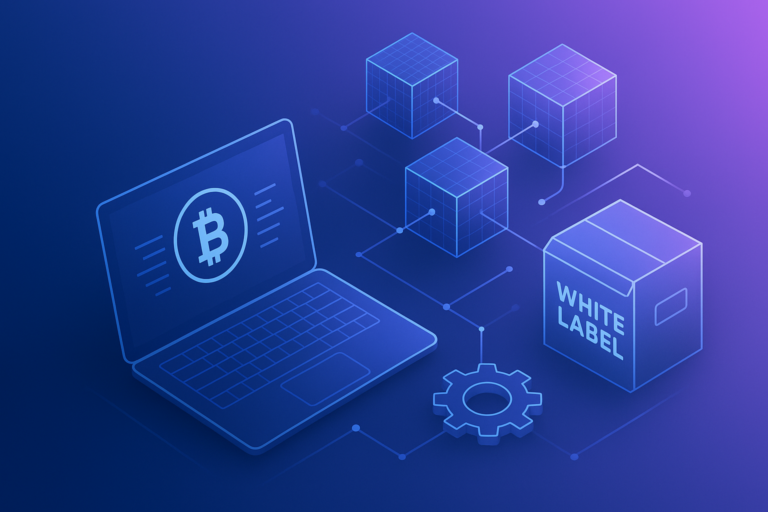
White-label blockchain explorers are ready-made, customizable platforms that allow organizations to offer feature-rich, branded blockchain data interfaces to their users. These solutions provide transaction tracking, block analytics, address monitoring, and more, but are delivered under your own brand with tailored UI/UX and integrations.
The B2B market for these explorers is thriving, driven by exchanges, fintechs, institutional investors, compliance firms, and governments. Providers now offer multi-chain support, advanced analytics, and deep API integrations, making white-label explorers a strategic asset in digital infrastructure portfolios.
2026 Trends Shaping the Blockchain Explorer Industry
- Multi-Chain & Cross-Chain Support: With multi-chain ecosystems now the norm, leading providers support seamless exploration across EVM, Solana, Cosmos, and emerging chains like Move-based blockchains.
- AI-Powered Insights: Explorers now incorporate AI-driven analytics—providing anomaly detection, risk scoring, and predictive transaction analysis for compliance and business intelligence.
- Embedded Compliance & AML: Regulatory demands have pushed explorers to integrate real-time AML/KYC checks, sanctioned address alerts, and regulatory reporting modules.
- No-Code Customization: Drag-and-drop dashboards and modular components empower non-technical teams to tailor explorers for specific business needs, reducing time-to-market.
- Token & NFT Analytics: Enhanced visibility into NFT activity, token standards, and on-chain asset flows supports new use cases in gaming, digital identity, and enterprise tokenization.
- Mobile-First & Embedded Experiences: As mobile and embedded fintech apps proliferate, white-label explorers offer SDKs and responsive design for seamless integration across devices and platforms.
Key Benefits for Businesses in 2026
- Brand Control: Deliver a consistent, branded blockchain experience to your customers without the overhead of building from scratch.
- Speed & Scalability: Deploy fully featured explorers in weeks, with scalability to support millions of daily queries and multi-chain data ingestion.
- Compliance-Ready: Meet global and regional regulatory requirements with built-in compliance tools and reporting features.
- Enterprise Integrations: Connect seamlessly with existing fintech stacks, data lakes, and BI tools via REST, GraphQL, and WebSocket APIs.
- Cost Efficiency: Reduce development, maintenance, and infrastructure costs compared to custom-built solutions.
Choosing a White-Label Blockchain Explorer Provider: 2026 Considerations
With a crowded vendor landscape, selecting the right white-label explorer solution requires careful evaluation. Here are the key factors for 2026 decision-makers:
1. Multi-Chain & Protocol Support
Ensure the provider supports all relevant blockchain networks for your business today and has a roadmap for emerging chains. Flexibility to add custom or private chains is increasingly vital for enterprise and government use cases.
2. Customization & Branding
Look for granular control over branding, UI/UX, and data presentation. Modern solutions offer WYSIWYG editors, theme engines, and extensible frontends.
3. Data Quality, Latency, and Uptime
In 2026, real-time data accuracy and high uptime SLAs are non-negotiable. Assess the provider’s data sourcing, indexing capabilities, and global infrastructure footprint.
4. Compliance & Security
Evaluate built-in compliance modules (AML, KYC, FATF, MiCA, etc.), as well as support for audits, whitelisting/blacklisting, and end-to-end encryption. Confirm the provider’s alignment with your jurisdiction’s regulations.
5. API & Integration Ecosystem
Robust, well-documented APIs and SDKs are critical for embedding explorer features in your app, wallet, or analytics dashboard. Check for plug-and-play integrations with leading fintech, AML, and reporting tools.
6. AI & Analytics Capabilities
Advanced analytics, anomaly detection, and customizable alerts now power risk management and user engagement. Confirm the depth and flexibility of these features.
7. Pricing Models & Scalability
Transparent, predictable pricing (SaaS, usage-based, or enterprise licensing) and the ability to scale with your growth are essential. Factor in costs for additional users, chains, and advanced modules.
2026 Leaders and Innovators in White-Label Blockchain Explorers
The competitive landscape features established infrastructure giants, compliance-focused firms, and agile SaaS startups. Many offer modular add-ons for DeFi, NFT, and cross-chain analytics. Key differentiators now include:
- Dedicated white-label support teams and SLAs
- Continuous updates for new protocols and compliance regimes
- Integration with AI-driven risk engines or on-chain identity solutions
- Marketplace plugins for business-specific modules (e.g., supply chain, gaming, asset tokenization)
Actionable Advice for Decision-Makers
- Assess Internal Needs: Map out required blockchain support, compliance obligations, and integration needs before shortlisting vendors.
- Request Live Demos: Test user experience, customization options, and analytics features hands-on to ensure alignment with your brand and business goals.
- Scrutinize Security & Compliance: Demand proof of regular audits, SOC2/ISO certifications, and up-to-date compliance modules.
- Plan for Future Growth: Choose providers with proven scalability, a robust product roadmap, and flexibility to support emerging blockchain standards.
- Negotiate SLAs: Ensure uptime, latency, and support commitments are contractually guaranteed to meet your operational requirements.
The Future Outlook: Blockchain Explorers as Digital Gateways
As blockchain adoption permeates every sector—from finance to healthcare to logistics—blockchain explorers will become the digital gateways for transparency, compliance, and trust. In 2026, white-label solutions empower businesses to own the user journey, harness AI-driven insights, and react swiftly to regulatory or technological shifts.
Forward-thinking organizations are leveraging explorers not just for block and transaction data, but as platforms for customer engagement, risk management, and ecosystem innovation. With continuous improvements in cross-chain support, compliance automation, and embedded analytics, the next generation of white-label blockchain explorers will be central to digital asset infrastructure and enterprise strategy for years to come.
Conclusion
White-label blockchain explorers are at the forefront of the digital economy in 2026. For B2B leaders, the right provider delivers brand control, compliance, and innovation at scale. By staying attuned to industry trends and rigorously evaluating providers, businesses can turn blockchain transparency into a strategic advantage—now and into the future.