

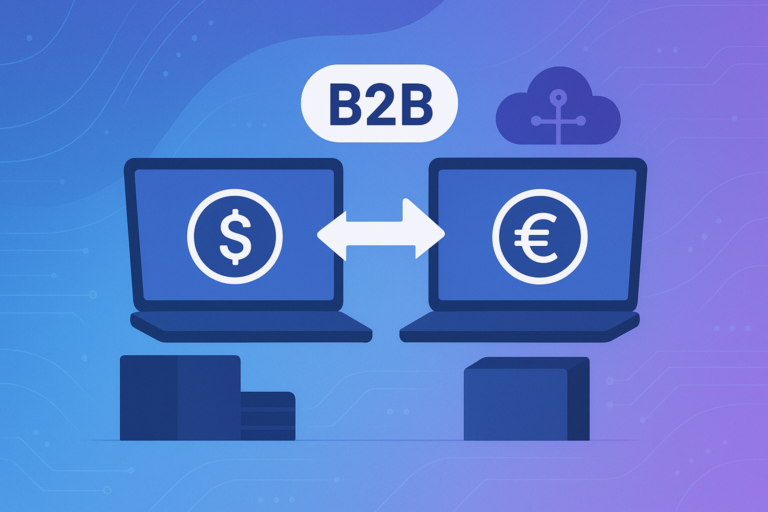
B2B Remittance Systems in 2026: Navigating the Next Generation of Cross-Border Payments
As global commerce accelerates in 2026, B2B remittance systems have evolved into sophisticated platforms that power seamless, secure, and instant cross-border transactions. For businesses with international operations, choosing the right remittance solution is crucial for efficiency, compliance, and competitive advantage. This article explores the latest trends, technologies, and practical considerations shaping the B2B remittance systems industry today.
2026 Trends Shaping the B2B Remittance Landscape
- Real-Time Settlement: Instant payment rails and blockchain-based clearing have minimized delays, enabling businesses to settle cross-border transactions in seconds.
- AI-Driven Compliance and Fraud Prevention: Advanced AI now automates AML (Anti-Money Laundering) and KYC (Know Your Customer) checks, reducing manual workload and enhancing regulatory adherence.
- API-First Platforms: Open APIs are now the industry standard, allowing seamless integration with ERP, treasury, and accounting systems for real-time data synchronization.
- Multi-Currency and Digital Asset Support: Leading platforms offer support for fiat, stablecoins, and select digital currencies, providing businesses with flexible treasury management.
- Sustainability and ESG Reporting: Remittance providers are embedding carbon tracking and ESG reporting features to help businesses align with global sustainability mandates.
Key Benefits for Business Decision-Makers
Modern B2B remittance systems deliver tangible value to enterprises operating in a hyperconnected global economy. Here are the primary benefits:
- Cost Efficiency: Automated processes and transparent fee structures minimize the total cost of ownership and reduce hidden charges.
- Speed and Transparency: Real-time tracking and instant settlements mean suppliers, partners, and subsidiaries receive funds without delay.
- Regulatory Confidence: Built-in compliance engines mitigate risks associated with cross-border transfers, even in complex jurisdictions.
- Customizable Workflows: Modular platforms allow businesses to tailor remittance processes to fit unique operational requirements.
- Scalability: Solutions are designed to support rapid business growth, handling higher volumes and new market entries with ease.
Considerations When Choosing a Remittance System Provider in 2026
With dozens of technology platforms on the market, selecting the right B2B remittance provider requires a strategic approach. Business leaders should evaluate:
- Global Coverage: Ensure the provider supports your target corridors, including high-growth regions in Africa, Asia, and Latin America.
- API and Integration Capabilities: Look for robust, well-documented APIs and pre-built connectors for your existing tech stack.
- Regulatory Credentials: Confirm that the provider holds relevant licenses and adheres to the latest international compliance standards.
- Settlement Currencies & Digital Assets: Assess the breadth of currencies and digital assets supported for both sending and receiving.
- Service Level Agreements (SLAs): Review guarantees for uptime, transaction speed, and customer support responsiveness.
- Reporting & Analytics: Advanced analytics dashboards and ESG reporting are now essential for strategic decision-making and compliance.
2026’s Leading Technology Platforms for B2B Remittances
Several platform categories have emerged as front-runners in the remittance space:
- Bank-Integrated Platforms: Major banks have expanded their digital offerings, delivering API-driven remittance modules embedded within corporate banking portals.
- Fintech-First Solutions: Pure-play fintechs leverage AI, blockchain, and cloud-native architectures for rapid deployment and innovation.
- Hybrid Platforms: These combine the stability of traditional banking with the agility of fintech, often through joint ventures or strategic partnerships.
- Embedded Payment Infrastructure: Payment orchestration platforms now provide embedded remittance functionality, enabling businesses to initiate global payouts directly from ERP or procurement systems.
Practical Insights and Actionable Advice
To maximize the value of your remittance solution, consider the following best practices:
- Prioritize End-to-End Digitalization: Automate the entire remittance workflow—from invoice approval to settlement and reconciliation—to eliminate manual bottlenecks.
- Leverage AI for Risk Management: Use platforms with machine learning models that proactively flag suspicious activity and streamline compliance reviews.
- Embrace Multi-Currency and Digital Asset Flexibility: Opt for a provider that enables payments in multiple currencies and supports digital asset settlement where regulation permits.
- Monitor ESG and Sustainability Impact: Choose solutions with built-in sustainability tracking to future-proof your business against evolving ESG requirements.
- Test Integration Early: Pilot API connections in sandbox environments to ensure smooth deployment with your existing finance and ERP systems.
- Negotiate Transparent SLAs: Secure clear commitments on transaction speed, uptime, and support to minimize business disruption.
The Future Outlook: What to Expect in B2B Remittance
The remittance systems industry is poised for continued innovation. In the coming years, expect to see:
- Greater Interoperability: Open standards will further break down silos, allowing businesses to switch or combine providers more flexibly.
- Expansion of Real-Time Networks: More countries are adopting instant payment rails, making real-time cross-border transactions the norm.
- Advanced Automation: Hyperautomation—combining AI, RPA (robotic process automation), and blockchain—will further reduce human intervention.
- Deeper ESG and Impact Integration: Remittance platforms will play a growing role in helping businesses track, report, and mitigate the environmental and social impact of their payment flows.
- Enhanced User Experience: Expect even more intuitive interfaces and embedded finance functionality, with predictive analytics guiding payment decisions.
Conclusion
In 2026, B2B remittance systems are no longer just back-office utilities—they are strategic tools for business growth, risk management, and sustainability. By understanding the latest trends and evaluating providers based on integration, compliance, and innovation, business decision-makers can unlock new efficiencies and competitive advantages in a fast-evolving global ecosystem.
For companies seeking to streamline cross-border payments, now is the time to reassess your approach to remittance technology. The right platform not only reduces friction but also sets the stage for future-ready, resilient global operations.