

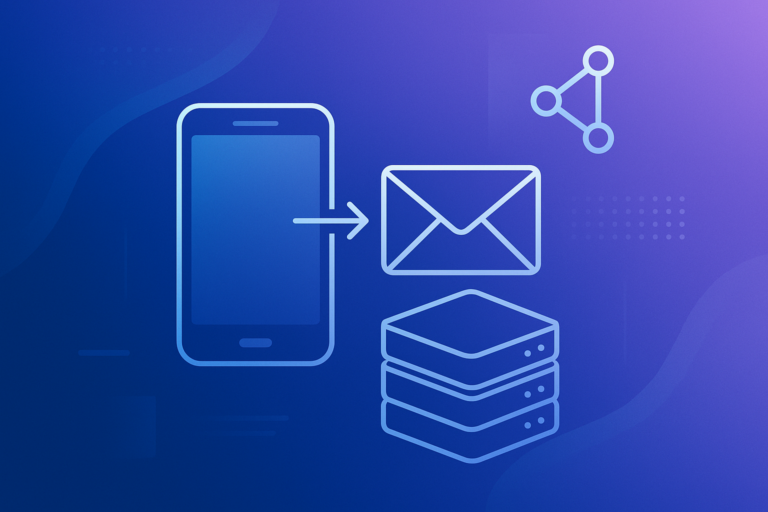
SMS Gateway Solutions in 2026: Trends, Providers, and Business Impact
In 2026, SMS Gateway technology remains a cornerstone of business-to-business (B2B) communication, powering essential messaging workflows across finance, retail, healthcare, logistics, and more. As the global business landscape becomes increasingly mobile-first and privacy-focused, enterprises demand robust, secure, and highly scalable SMS solutions. This article explores the latest trends, leading technology platforms, and practical strategies for selecting the right SMS Gateway provider for your organization.
2026 Trends Shaping the SMS Gateway Industry
The SMS Gateway sector has evolved significantly in response to new regulatory standards, AI integration, and the growing need for omnichannel communication. Here are the most influential trends shaping the industry in 2026:
- AI-Powered Messaging: Advanced artificial intelligence is now embedded in leading SMS platforms, enabling predictive analytics, real-time personalization, and automated campaign optimization.
- Hyper-Personalization: Enterprises leverage granular segmentation, dynamic content, and contextual triggers to deliver highly relevant messages, improving engagement and conversion rates.
- Global Compliance and Data Sovereignty: Stricter privacy regulations (such as the Global Data Protection Accord of 2025) require SMS Gateways to offer region-specific routing, message encryption, and compliance management tools.
- Omnichannel Integration: Businesses increasingly demand unified messaging solutions that combine SMS, RCS, WhatsApp Business, and push notifications, managed from a single platform.
- 5G and IoT Synergy: The widespread rollout of 5G and IoT integration enables businesses to deploy SMS Gateways for real-time device alerts, authentication, and transactional messaging at unprecedented scale and speed.
Benefits of Modern SMS Gateway Platforms
For enterprises and service providers, today’s SMS Gateway solutions offer significant advantages:
- Reliability and Uptime: Redundant cloud architectures and smart routing algorithms ensure message delivery rates of 99.99% or higher, critical for time-sensitive communications.
- Enhanced Security: End-to-end encryption, multi-factor authentication for dashboard access, and real-time threat detection protect sensitive business data and customer information.
- Seamless API Integration: Modern gateways provide robust RESTful and GraphQL APIs, enabling rapid integration with CRMs, ERP systems, and custom business applications.
- Real-Time Analytics: Advanced dashboards offer granular insights into message delivery, campaign performance, and recipient engagement, empowering data-driven decision-making.
- Cost Efficiency: Dynamic routing optimizes costs by selecting the best carrier routes, while transparent billing and flexible pricing models help businesses scale efficiently.
Key Considerations When Choosing a B2B SMS Gateway Provider
With hundreds of providers vying for business in 2026, selecting the right SMS Gateway partner requires a strategic approach. Decision-makers should evaluate providers based on the following criteria:
- Global Reach and Local Expertise: Ensure the provider offers truly global coverage, with localized support and compliance capabilities for your key markets.
- Compliance and Security: Verify adherence to the latest regional and global regulations, including data residency, consent management, and audit trails.
- Scalability and Performance: The platform should handle high message volumes and sudden traffic spikes without compromising speed or reliability.
- Feature Set: Look for advanced features such as message scheduling, two-way messaging, template management, and AI-driven personalization.
- Support and Service Level Agreements (SLAs): Assess the provider’s technical support channels, incident response times, and SLAs for uptime and redundancy.
Leading Technology Platforms and Solutions in 2026
The top B2B SMS Gateway platforms in 2026 distinguish themselves with innovation, reliability, and enterprise-ready features. While the competitive landscape is dynamic, several providers consistently stand out for their global coverage, compliance strength, and deep integration capabilities. Key differentiators include:
- Unified Messaging Hubs: Platforms that consolidate SMS, RCS, and OTT channels (such as WhatsApp Business and Viber) under a unified API.
- AI-Driven Campaign Management: Tools that automatically optimize delivery times, personalize content, and forecast campaign outcomes using machine learning.
- No-Code Automation: Visual workflow builders allow business users to create automated messaging journeys without development resources.
- Instant Onboarding and Dynamic Routing: Self-service portals and AI-powered routing engines enable instant activation and intelligent path selection for global delivery.
Many platforms now offer industry-specific modules for sectors like banking (secure OTP delivery), healthcare (HIPAA/GDPA-compliant messaging), and retail (flash sales and promotions), making them highly adaptable to business needs.
Practical Business Applications in 2026
SMS remains a vital channel for mission-critical communications, including:
- Authentication and Security: Two-factor authentication (2FA), fraud alerts, and transactional notifications.
- Customer Engagement: Appointment reminders, personalized offers, and loyalty program updates.
- Logistics and Operations: Real-time delivery updates, supply chain alerts, and field service coordination.
- Healthcare Services: Patient notifications, prescription reminders, and secure test result delivery.
With omnichannel capabilities, businesses can orchestrate customer journeys that seamlessly transition between SMS, email, and chat apps, driving higher engagement and operational efficiency.
Actionable Advice for Enterprises in 2026
- Prioritize Compliance: Work with legal and compliance teams to ensure your provider supports all relevant privacy laws and industry standards for each geography.
- Leverage AI and Automation: Choose platforms that automate routine messaging, optimize send times, and provide actionable campaign insights.
- Invest in Integration: Select gateways with open APIs, webhooks, and pre-built connectors for your existing business systems.
- Monitor Performance: Utilize real-time analytics to track delivery rates, latency, and recipient engagement, adjusting campaigns proactively.
- Plan for Scale: Ensure your provider can handle future growth and evolving messaging needs, from IoT-driven alerts to global marketing campaigns.
The Future Outlook: SMS Gateways Beyond 2026
Looking ahead, SMS Gateways will continue to evolve, integrating deeper AI capabilities, supporting emerging communications protocols, and expanding their role in secure, real-time enterprise messaging. As the line between SMS and other digital channels blurs, businesses that invest in adaptable, compliant, and intelligent messaging platforms will gain a significant competitive advantage.
Ultimately, partnering with the right B2B SMS Gateway provider in 2026 empowers organizations to deliver timely, personalized, and secure communications—driving customer satisfaction, operational efficiency, and business growth in an increasingly connected world.