

Game Aggregators in 2026: White-Label B2B Solutions Transforming iGaming
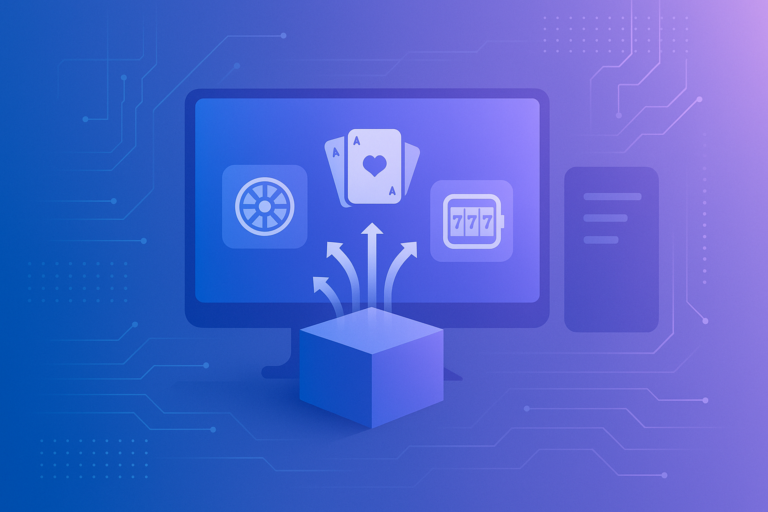
The iGaming sector in 2026 is defined by rapid innovation, fierce competition, and a heightened demand for seamless user experiences. At the heart of this evolution are game aggregators—platforms that connect operators with a diverse portfolio of casino, sports, and specialty games through a single, unified integration. For B2B providers and ambitious gaming entrepreneurs, white-label aggregator solutions have emerged as the go-to strategy for accelerating market entry, ensuring compliance, and staying ahead in the ever-changing digital entertainment landscape.
The 2026 Game Aggregator Ecosystem: A Snapshot
Today’s game aggregator platforms are far more than simple content hubs. They are sophisticated, AI-driven ecosystems that offer:
- Instant access to thousands of premium games from leading studios and niche developers worldwide.
- Comprehensive regulatory compliance modules, supporting multi-jurisdictional licensing and responsible gaming frameworks.
- Real-time analytics and machine learning-powered personalization for tailored player experiences.
- Integrated payment and wallet solutions, including blockchain support and next-gen digital assets.
- Seamless updates with zero downtime, thanks to microservices architecture and cloud-native deployment.
White-Label Solutions: The B2B Advantage
White-label aggregator platforms allow B2B clients to launch branded gaming portals without the burdens of building proprietary technology. In 2026, these solutions stand out by offering:
- End-to-end branding control, from UI/UX to loyalty programs and promotional tools.
- Turnkey compliance with the latest market regulations, including AI-based fraud detection and player protection features mandated by major jurisdictions.
- Continuous portfolio expansion—new games and studios are added automatically, ensuring a competitive edge.
- Modular add-ons such as esports, live dealer, social gaming, and VR/AR content, reflecting the latest player preferences.
Key Trends Shaping the Aggregator Market in 2026
1. Convergence of iGaming and Emerging Technologies
The best aggregators now leverage AI, blockchain, and immersive technologies to enhance both operator efficiency and player engagement. AI-driven curation suggests personalized game lobbies, while blockchain supports transparent RNG and smart contract-based payouts.
2. Hyper-Localization and Multi-Jurisdictional Support
With regulatory landscapes becoming more fragmented, leading B2B aggregators offer granular localization—language, currency, payment methods, and compliance modules tailored to each region. This allows operators to scale globally while staying compliant with local mandates.
3. Seamless Omni-Channel Experiences
Modern aggregators support cross-device play, synchronizing player wallets and preferences across desktop, mobile, smart TVs, and even wearables. This frictionless experience has become a baseline expectation in 2026’s competitive market.
4. Focus on Responsible Gaming and Compliance Automation
Automated compliance checks, AI-driven risk profiling, and real-time reporting are now standard offerings. Aggregators are investing heavily in tools that help operators meet the latest responsible gaming and anti-money laundering (AML) requirements with minimal manual intervention.
5. API-First, Modular Architectures
Gone are the days of monolithic platforms. In 2026, leading white-label solutions are built with API-first principles, enabling quick integration, flexible customization, and rapid scaling as business needs evolve.
Benefits of Choosing a White-Label Game Aggregator in 2026
- Speed to Market: Launch a fully branded gaming site in weeks, not months, leveraging pre-built frameworks and instant game portfolios.
- Reduced Technical Overhead: No need for in-house development, maintenance, or complex integrations—focus on business growth instead.
- Regulatory Peace of Mind: Built-in compliance engines adapt to changing laws and licensing requirements, minimizing risk and legal exposure.
- Continuous Competitive Edge: Aggregators handle game updates, new releases, and feature rollouts, ensuring your offering is always fresh.
- Data-Driven Insights: Advanced analytics dashboards provide actionable intelligence on player behavior, game performance, and revenue optimization.
Considerations When Selecting a B2B Game Aggregator Provider
Not all white-label solutions are created equal. When evaluating providers in 2026, decision-makers should:
- Assess Game Diversity and Quality: Ensure the aggregator offers a wide range of genres, top-performing titles, and access to exclusive studio content.
- Examine Compliance Coverage: Ask for detailed documentation on how the platform addresses the latest regulatory requirements in your target markets.
- Evaluate Customization Capabilities: Look for flexible branding, promotional tools, and the ability to add bespoke features or third-party integrations.
- Check Technical Infrastructure: Prioritize providers that use modern, scalable cloud-native architectures for maximum uptime and performance.
- Review Support and Service Levels: Reliable 24/7 technical and operational support is essential in a global, always-on industry.
Actionable Advice for 2026 Operators
- Prioritize future-proof solutions. Choose aggregators investing in AI, blockchain, and immersive tech to stay competitive as player expectations evolve.
- Insist on robust data privacy and cybersecurity measures. With rising regulatory scrutiny, ensure your platform meets the highest standards for data protection.
- Leverage analytics for player retention. Use the aggregator’s dashboards to segment audiences, personalize offers, and identify new growth opportunities.
- Explore modular add-ons. Esports, live games, and social features are driving new revenue streams in 2026—ensure your aggregator supports easy expansion.
The Future Outlook: What’s Next for Game Aggregators?
Looking ahead, game aggregators are poised to play a central role in the iGaming value chain. Expect further integration of VR/AR content, the rise of AI-driven real-time player support, and even greater emphasis on cross-border compliance automation. As regulators continue to tighten standards and players demand more immersive, personalized experiences, the agility provided by white-label B2B solutions will be more valuable than ever.
For operators and entrepreneurs seeking a frictionless path to iGaming success in 2026, partnering with the right aggregator is not just an operational decision—it’s a strategic imperative for long-term growth and relevance.