

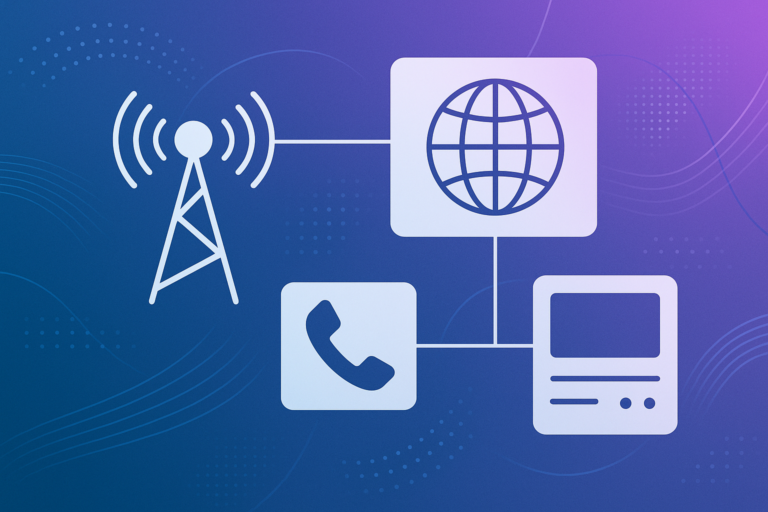
White-Label Telecom Solutions in 2026: Powering B2B Transformation
The telecom industry has entered a new era in 2026, marked by rapid digitalization, the proliferation of 5G/6G, and evolving enterprise needs. Amidst this evolution, white-label solutions have emerged as a cornerstone for B2B providers seeking agility, scalability, and innovation without the heavy investment in proprietary infrastructure. As the market becomes more competitive and customer expectations soar, understanding the landscape of white-label telecom is essential for business leaders seeking to differentiate and grow.
What Are White-Label Telecom Solutions?
White-label telecom solutions enable businesses to offer branded telecommunications services—such as voice, data, SMS, unified communications, and IoT connectivity—without building these products from scratch. Instead, they partner with specialized B2B providers who supply the technology backbone, compliance, and often even customer support, allowing the reseller to focus on branding, sales, and customer relationships.
2026 Trends Shaping the White-Label Telecom Market
- AI-Powered Networks: Artificial intelligence is now integral to network optimization, predictive maintenance, and real-time fraud detection. White-label platforms are embedding AI-driven features to offer smarter, more resilient services.
- 5G/6G Expansion: The ongoing global rollout of 5G and the early adoption of 6G have significantly increased demand for flexible, scalable telecom services, especially in enterprise IoT, edge computing, and private networks.
- Cloud-Native Architectures: White-label providers are leveraging cloud-native, API-first architectures for faster deployment, enhanced reliability, and seamless integration with enterprise tech stacks.
- Zero Trust Security: With escalating threats, zero trust frameworks are standard in 2026. White-label telecom solutions now include advanced identity, encryption, and threat detection as baseline features.
- Unified Communications & Collaboration (UC&C): Businesses expect fully integrated, omnichannel communication platforms. White-label offerings bundle voice, video, messaging, and collaboration tools with robust analytics and AI assistants.
- Regulatory Compliance Automation: Automated compliance with global telecom regulations—such as eSIM/eID, lawful intercept, and data sovereignty—is built into the latest white-label platforms, reducing operational risk for resellers.
- Hyper-Personalization: AI-driven customer analytics allow white-label partners to deliver highly customized services and dynamic pricing models to their end users.
Key Benefits of White-Label Telecom for B2B Businesses
Adopting a white-label approach offers substantial advantages for telecom resellers, managed service providers, and even non-telecom brands entering the space:
- Time-to-Market: Launch new telecom offerings in weeks, not years, leveraging pre-built, fully compliant solutions.
- Cost Efficiency: Eliminate the need for heavy R&D, infrastructure, and regulatory compliance investments.
- Brand Control: Offer services under your own brand, creating a seamless customer experience and fostering brand loyalty.
- Scalability: Rapidly scale to serve new markets, verticals, or customer segments without operational bottlenecks.
- Innovation Access: Stay ahead of the curve by instantly adopting the latest telecom features (e.g., AI, IoT modules, 6G readiness) offered by top-tier white-label partners.
Strategic Considerations When Selecting a White-Label Telecom Provider
Choosing the right B2B partner is crucial for long-term success. Decision-makers should evaluate providers based on:
- Technology Leadership: Does the provider offer up-to-date features such as AI-driven network management, 6G compatibility, and cloud-native APIs?
- Reliability & SLA Guarantees: Look for providers with proven uptime, robust disaster recovery, and transparent service level agreements.
- Security & Compliance: Ensure comprehensive security frameworks, including zero trust, regulatory automation, and data privacy certifications.
- Customization Options: Can you tailor service bundles, pricing models, and customer experiences to your market?
- Support & Training: Does the provider offer 24/7 support, onboarding resources, and continuous education for your team?
- Analytics & Insights: Access to real-time dashboards and predictive analytics is critical for optimizing service delivery and customer engagement.
Practical Insights: Launching & Growing with White-Label Telecom in 2026
To maximize success in the current market, consider these actionable steps:
- Define Your Niche: Target underserved verticals like smart manufacturing, connected healthcare, or hybrid workplace solutions, where tailored telecom offerings add unique value.
- Leverage AI for Differentiation: Integrate AI-powered customer support, predictive service alerts, or dynamic pricing to stand out against generic telecom brands.
- Bundle Value-Added Services: Combine telecom connectivity with cybersecurity, IoT management, or UC&C tools to create holistic solutions for business clients.
- Prioritize User Experience: Invest in intuitive, branded customer portals and seamless onboarding to reduce churn and maximize customer satisfaction.
- Monitor Regulatory Changes: Stay current with global telecom regulations, especially in cross-border data and eSIM management, to avoid compliance pitfalls.
- Continuously Optimize: Use analytics to monitor service performance, customer trends, and emerging market needs, adapting your offerings proactively.
The Future Outlook: White-Label Telecom as a Growth Engine
Looking ahead, the role of white-label telecom providers is poised to expand even further. With the acceleration of 6G trials, the mainstreaming of private enterprise networks, and increasing demand for hyper-personalized, AI-enhanced communication services, B2B partners who harness white-label models will enjoy significant competitive advantages. Collaboration between telecom resellers and technology innovators will catalyze new service paradigms—such as immersive AR/VR communications, secure IoT ecosystems, and vertical-specific connectivity solutions.
For business leaders in 2026, the message is clear: White-label telecom solutions offer a fast, flexible, and future-ready path to market leadership. By choosing the right partners and embracing ongoing innovation, B2B providers can deliver exceptional value, adapt to dynamic market demands, and secure their place in the telecom ecosystem of tomorrow.