

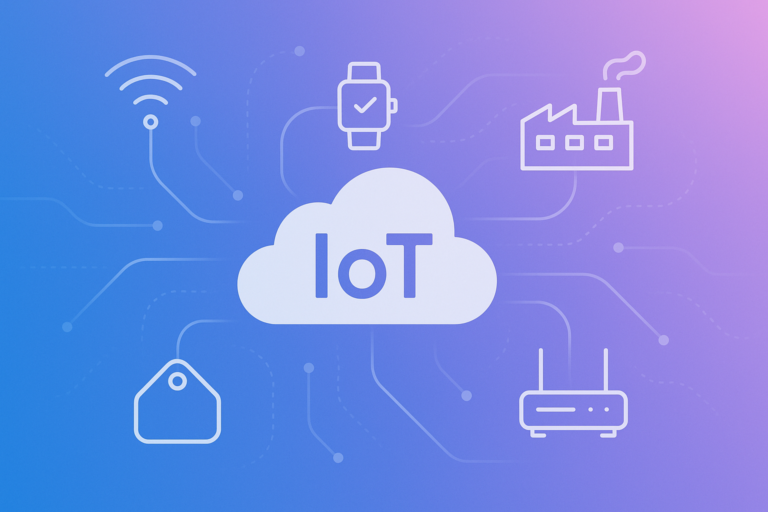
Introduction: The New Era of IoT Connectivity Platforms
As IoT adoption accelerates in 2026, seamless connectivity is the backbone of every successful deployment. Enterprises, system integrators, and managed service providers are increasingly turning to white-label IoT connectivity platforms to deliver scalable, branded solutions to their clients. These platforms empower B2B providers with robust, customizable frameworks, enabling them to focus on differentiation and value-added services rather than reinventing the core technology stack.
2026 Trends Shaping White-Label IoT Connectivity
The IoT connectivity platform landscape has evolved rapidly, driven by the convergence of 5G/6G networks, edge intelligence, and stricter global compliance standards. Here are the most impactful trends influencing the industry in 2026:
- 6G-Ready Architectures: With 6G networks rolling out in major regions, platforms must now support ultra-low latency, massive device density, and dynamic spectrum management.
- AI-Powered Network Orchestration: Advanced AI/ML is now standard for real-time traffic optimization, predictive maintenance, and automated anomaly detection across device fleets.
- Zero Trust Security by Default: In light of recent global cybersecurity mandates, end-to-end zero trust architectures are now a baseline requirement for connectivity platforms.
- Unified Multi-Protocol Support: The most competitive platforms offer seamless orchestration across LoRaWAN, NB-IoT, LTE-M, 5G, Wi-Fi 7, and satellite, enabling global deployments without integration headaches.
- Embedded ESG & Compliance Toolkits: Built-in modules for sustainability tracking, emissions reporting, and automated compliance with global standards (e.g., EU DPP, US IoT Safe Act) are now essential.
- Hyper-Personalization via White-Labeling: B2B clients demand extensive customization—brandable dashboards, modular APIs, and tailored billing models—to stand out in competitive IoT markets.
Why White-Label IoT Platforms Dominate the B2B Space in 2026
White-label connectivity platforms have become the go-to for B2B providers aiming to rapidly launch and scale IoT offerings without heavy R&D investment. The benefits are clear:
- Rapid Time-to-Market: Providers can deploy fully branded, feature-rich IoT connectivity solutions in weeks, not months, staying ahead of market demands.
- Cost-Efficiency & Scalability: Shared infrastructure and modular architecture mean lower upfront costs, predictable OPEX, and the ability to scale globally on demand.
- Focus on Differentiation: With the core platform handled, B2B providers can invest in integrating vertical-specific analytics, service layers, and customer experiences.
- Compliance and Risk Mitigation: Leading platforms now offer automated updates to keep pace with evolving regulatory requirements, crucial for multi-region deployments.
- Data Sovereignty & Localization: Advanced white-label platforms offer flexible data residency options to meet local privacy and sovereignty regulations.
Key Considerations When Choosing a White-Label IoT Connectivity Provider
With dozens of mature and emerging players now competing in the B2B IoT connectivity platform arena, it’s vital to select the right partner. Decision-makers should weigh these critical factors:
1. Architecture Flexibility
Ensure the platform supports both cloud-native and edge deployments, with containerized microservices for easy integration and scaling. Check for compatibility with your existing IT/OT ecosystem.
2. Protocol and Hardware Support
Look for broad protocol support (LoRaWAN, NB-IoT, LTE-M, 5G, Wi-Fi 7, satellite) and extensive device certification to future-proof your solution.
3. Security and Compliance
Confirm the platform offers:
- Zero trust security models
- Automated compliance updates (GDPR, DPP, IoT Safe Act, etc.)
- End-to-end encryption, identity management, and secure OTA updates
4. Customization and White-Labeling Depth
Evaluate how deeply you can customize:
- User interfaces (branding, dashboards, workflows)
- APIs for integration with your systems (billing, analytics, CRM, ERP)
- Pricing and billing models
5. Ecosystem and Marketplace Integrations
Does the platform offer a rich ecosystem of third-party integrations (device management, analytics, AI, security, cloud connectors) and an active marketplace for value-added services?
6. Support, SLAs, and Roadmap Transparency
Assess the provider’s:
- 24/7 support and onboarding assistance
- Comprehensive documentation and training resources
- Transparent product roadmap and regular feature releases
2026: Key Providers and Solution Differentiators
The white-label IoT connectivity space in 2026 is marked by both established global players and agile new entrants. While we won’t endorse specific brands, B2B decision-makers should look for providers that:
- Offer comprehensive managed connectivity spanning terrestrial and satellite networks
- Deliver AI-powered network automation and device lifecycle management
- Provide pre-built vertical modules (e.g., smart cities, logistics, healthcare, industrial IoT)
- Maintain strong partner ecosystems and offer customizable marketplaces
- Demonstrate proven scalability with multi-million device fleets
Many leading platforms now operate with open APIs, low-code/no-code customization, and embedded ESG reporting, giving B2B clients the flexibility and compliance assurance they need.
Practical Insights: How to Maximize Value from Your White-Label IoT Platform
To ensure success in the current landscape, consider these actionable strategies:
- Leverage Modular APIs: Integrate the platform with your existing business systems (ERP, CRM, billing) for seamless workflows and data visibility.
- Prioritize Security from Day One: Implement zero trust models and automated compliance monitoring to reduce risk and build customer trust.
- Exploit Edge Intelligence: Use edge-compute capabilities for real-time analytics, reducing cloud costs and latency for critical applications.
- Capitalize on Marketplaces: Use the provider’s marketplace to offer value-added services and generate new revenue streams.
- Continuously Monitor KPIs: Track device uptime, data usage, security incidents, and ESG metrics via customizable dashboards to drive continuous improvement.
- Invest in Training: Ensure your team is proficient with the platform’s latest features and best practices to maximize ROI.
Future Outlook: Where Is White-Label IoT Connectivity Headed?
Looking ahead, the next wave of innovation will likely include:
- Widespread adoption of 6G-enabled edge mesh networks, enabling hyper-local decision-making and reduced backhaul costs.
- Deeper integration of quantum-safe cryptography as IoT security threats evolve.
- Greater harmonization of global IoT compliance frameworks, simplifying cross-border deployments.
- AI-driven, self-optimizing networks that dynamically adapt to changing environments and business requirements.
- New business models around outcome-based billing and shared infrastructure, driving even faster innovation in B2B IoT services.
In 2026, white-label IoT connectivity platforms are not just an enabler—they are a critical differentiator for B2B providers looking to lead in a connected, intelligent world.
Conclusion
The IoT connectivity platform market in 2026 is more dynamic and competitive than ever. White-label solutions empower B2B providers to deliver secure, scalable, and highly customizable IoT services tailored to a wide range of industries. By staying abreast of the latest trends, prioritizing security and compliance, and choosing partners with the right mix of flexibility, ecosystem support, and future-ready features, business leaders can seize the immense opportunities in today’s IoT landscape—and shape the connected future.