

MVNO Solutions in 2026: Navigating White-Label B2B Opportunities
The Mobile Virtual Network Operator (MVNO) landscape has transformed dramatically in 2026, fueled by advances in 5G/6G connectivity, AI-driven network management, and a surge in demand for tailored telecommunications solutions. For enterprises and brands seeking rapid market entry without the complexities of building telecom infrastructure, white-label MVNO solutions have become the go-to model. This article unpacks the current state of the MVNO industry, with a special focus on white-label B2B providers, 2026 trends, and actionable strategies for business decision-makers.
Understanding White-Label MVNO Solutions
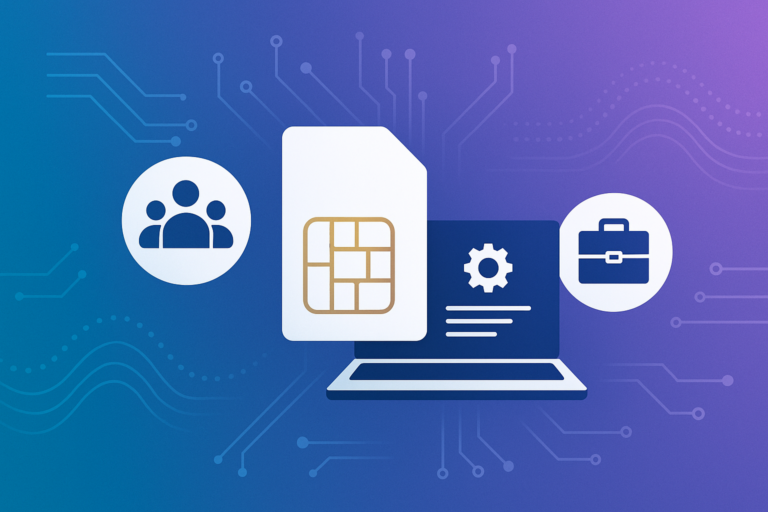
White-label MVNO solutions empower organizations to offer branded mobile services by leveraging the infrastructure, regulatory compliance, and technology of established network operators and platform providers. Businesses can deliver mobile connectivity under their own brand while the white-label provider handles the technical backend, billing, SIM/eSIM management, customer onboarding, and ongoing support.
2026 Trends Shaping the MVNO White-Label Market
- 6G Rollouts and Edge Computing: The commercial deployment of 6G networks is redefining service expectations, with ultra-low latency and hyper-personalized experiences. White-label MVNOs are leveraging edge computing to deliver real-time, localized services for B2B clients.
- eSIM and IoT Expansion: The ubiquitous adoption of eSIM technology and the explosion of connected devices have unlocked new revenue streams, especially in verticals like logistics, healthcare, and smart cities.
- AI-Driven Customer Experience: AI-powered chatbots, predictive analytics, and automated troubleshooting are now standard, enabling MVNOs to deliver seamless and proactive customer support at scale.
- Regulatory Adaptation: As governments introduce new data privacy and roaming regulations, white-label providers are investing in compliance-as-a-service (CaaS) to help brands navigate evolving legal landscapes.
- B2B Customization and Verticalization: MVNO platforms now offer industry-specific solutions, allowing brands to tailor connectivity packages for sectors like fintech, automotive, and retail.
Key Benefits of White-Label MVNO Solutions in 2026
- Rapid Market Entry: Launch a fully branded mobile service in weeks, not months, without heavy CAPEX or technical expertise.
- Flexible Monetization: Choose from diverse business models—subscription, consumption-based, or hybrid—aligned with your customer base.
- Full Brand Control: Own the customer relationship and brand experience, from onboarding to support, while outsourcing operational complexities.
- Scalable Infrastructure: Instantly scale services up or down based on demand, leveraging cloud-native platforms and automated orchestration.
- Integrated Value-Added Services: Bundle mobile connectivity with payments, IoT management, or cybersecurity to create differentiated offerings.
Considerations When Choosing a White-Label MVNO Provider
To ensure long-term success, business leaders should assess potential providers using the following criteria:
- Network Quality and Coverage: Does the provider offer access to top-tier 5G/6G networks and guaranteed SLAs for your target markets?
- Platform Capabilities: Look for self-service portals, real-time analytics, eSIM provisioning, and robust API integrations.
- Regulatory Compliance: Confirm that data residency, privacy, and lawful interception requirements are fully managed, especially for multinational rollouts.
- Customization and Integration: Can the provider tailor plans, bundles, and user experiences to your vertical or customer persona?
- Support and Roadmap: Evaluate the provider’s track record for innovation, customer support responsiveness, and future roadmap alignment.
Practical Insights: Actionable Steps for 2026 MVNO Success
- Define Your Value Proposition: In a crowded market, focus on a niche or vertical where your brand can add unique value—be it device management for enterprise fleets, secure connectivity for fintech apps, or loyalty-based plans for retail.
- Prioritize Customer Experience: Leverage AI-driven onboarding, automated support, and omnichannel engagement to differentiate your service.
- Leverage Data Analytics: Harness real-time usage and behavioral data to launch personalized offers, mitigate churn, and optimize profitability.
- Stay Ahead on Compliance: Work with providers offering automated compliance tools and proactive updates to avoid regulatory pitfalls.
- Explore Ecosystem Partnerships: Integrate your mobile offering with payments, IoT, or cloud services through strategic partnerships for greater customer value.
Future Outlook: The Road Ahead for White-Label MVNOs
Looking forward, the MVNO industry in 2026 is primed for continued growth as more brands recognize the business value of becoming digital service providers. With the convergence of 6G, AI, eSIM, and real-time analytics, the potential to deliver hyper-personalized, industry-specific mobile solutions is unprecedented. B2B providers that invest in flexible, scalable, and compliant white-label platforms are best positioned to thrive in this dynamic ecosystem.
In summary, the era of white-label MVNOs has arrived—and for business leaders ready to innovate, the opportunity to capture new revenue streams, deepen customer engagement, and future-proof their brand has never been greater.