

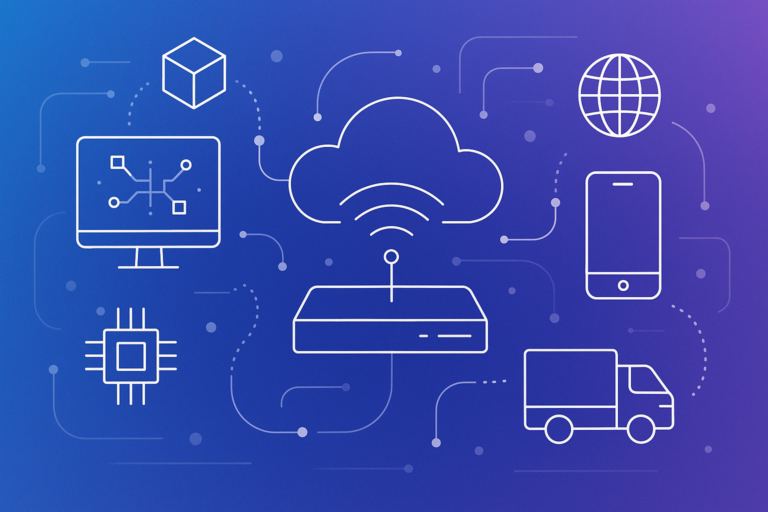
Introduction: The Evolving Landscape of IoT Connectivity in 2026
The Internet of Things (IoT) has matured from a disruptive concept into a cornerstone of modern enterprise strategy. As of February 2026, the IoT connectivity platform market is experiencing a new wave of innovation, with white-label solutions leading the charge for B2B adoption. Enterprises across industries are leveraging these platforms to accelerate digital transformation, streamline operations, and create differentiated offerings for their clients.
Understanding White-Label IoT Connectivity Platforms
White-label IoT connectivity platforms allow organizations to offer IoT services under their own brand while relying on robust, third-party technology. These solutions abstract the complexity of device management, data routing, security, and integration, enabling B2B providers to focus on customer experience and market expansion.
In 2026, the demand for white-label platforms is driven by:
- Rapid market entry: Businesses can launch IoT services quickly without building from scratch.
- Brand customization: Full control over branding and user interface for target markets.
- Scalability: Cloud-native architectures and global connectivity options support rapid scaling.
- Data sovereignty: Compliance with stricter 2026 data residency and privacy regulations.
- Integration readiness: Seamless interoperability with enterprise systems and AI-driven analytics.
2026 Trends Shaping the IoT Connectivity Platform Market
1. Private 5G and Edge Computing Integration
White-label IoT platforms are increasingly offering native support for private 5G networks and edge compute deployments. This enables ultra-low latency use cases such as autonomous robotics, real-time monitoring, and mission-critical industrial applications. B2B providers can now deliver localized, high-performance IoT solutions that meet industry-specific requirements.
2. AI-Driven Device Management and Security
The latest platforms harness AI for predictive maintenance, anomaly detection, and automated threat mitigation. In 2026, advanced device profiling and network behavior analytics are standard, allowing providers to proactively manage large fleets of devices and ensure compliance with evolving cybersecurity mandates.
3. Multi-Network and Global SIM Orchestration
With the proliferation of eSIM and iSIM technologies, businesses demand seamless global connectivity for their IoT devices. White-label platforms now offer centralized management of multiple carriers, dynamic network switching, and real-time SIM provisioning, ensuring uninterrupted service across borders.
4. Sustainability-Focused Platform Features
As environmental regulations tighten and ESG (Environmental, Social, and Governance) priorities rise, IoT connectivity platforms are integrating features to monitor device energy consumption, carbon footprint, and supply chain sustainability. B2B clients are using these insights to drive green initiatives and meet reporting obligations.
5. API-First and Low-Code Customization
2026’s leading platforms are API-first, with low-code tools that empower partners and clients to build tailored dashboards, workflows, and integrations without deep technical expertise. This democratizes IoT solution development and accelerates go-to-market timelines.
Key Considerations When Choosing a White-Label IoT Connectivity Provider
For B2B organizations evaluating white-label IoT platforms, the following factors are paramount:
- Platform Security: Ensure the provider employs end-to-end encryption, zero-trust architecture, and continuous vulnerability assessment. Check for compliance with 2026’s cybersecurity standards such as ISO/IEC 27405 and sector-specific regulations.
- Global Coverage and Network Flexibility: Assess the breadth of supported networks (cellular, LPWAN, satellite), presence of global carrier partnerships, and ability to manage eSIM/iSIM at scale.
- Scalability and Performance: Choose platforms that support millions of connected devices, provide high-availability SLAs, and offer real-time data processing at the edge.
- Branding and Customization: Look for granular control over the user interface, customer portals, and reporting to ensure a seamless brand experience.
- Integration Ecosystem: Evaluate pre-built integrations with enterprise systems (ERP, CRM, AI/ML toolkits), as well as open APIs for custom extensions.
- Sustainability and Compliance: Confirm capabilities for ESG reporting, energy monitoring, and adherence to the latest data privacy laws (e.g., Global Data Protection Standard 2026).
- Support and Innovation Roadmap: Partner with providers that offer 24/7 support, proactive monitoring, and a clear roadmap for emerging technologies (quantum-safe encryption, post-5G standards, etc.).
Benefits of White-Label IoT Connectivity for B2B Providers
- Accelerated Time to Market: Launch new digital services in weeks, not months, leveraging proven technology stacks.
- Reduced Total Cost of Ownership: Lower investment in R&D and ongoing maintenance, with predictable operational costs.
- Enhanced Value Proposition: Offer differentiated IoT solutions under your brand, tailored to your vertical or customer base.
- Focus on Core Competencies: Redirect resources from platform development to customer engagement, analytics, and business growth.
- Improved Customer Retention: Deliver seamless, branded experiences that build loyalty and trust.
Practical Insights and Actionable Advice for 2026
- Prioritize Future-Proofing: Select providers with a proven commitment to adopting new standards (e.g., IoT-Next, 6G readiness) and integrating AI/ML advancements.
- Leverage Ecosystem Partnerships: Look for platforms with a strong partner network, enabling you to tap into device manufacturers, system integrators, and analytics vendors.
- Invest in Training: Ensure your technical and sales teams are well-versed in the platform’s capabilities to maximize ROI and speed adoption.
- Monitor Regulatory Landscape: Stay ahead of evolving global, regional, and industry-specific compliance requirements—especially regarding data sovereignty and sustainability reporting.
- Conduct Pilot Projects: Start with pilot deployments in strategic markets to validate interoperability, performance, and customer value before scaling.
The Future Outlook: Where Is the Industry Headed?
The white-label IoT connectivity market in 2026 is poised for continued expansion as enterprises double down on automation, resilience, and customer-centric innovation. Key developments to watch include:
- Quantum-Ready Security: Early adoption of quantum-resistant encryption protocols to protect device data and communications.
- Autonomous Network Management: Greater use of AI-driven orchestration for self-optimizing, self-healing IoT networks.
- Industry-Specific Solutions: Tailored white-label offerings for healthcare, logistics, smart cities, and energy, with compliance and workflow automation built in.
- Decentralized Connectivity Models: Leveraging blockchain and distributed ledgers for device identity and secure data sharing.
For B2B providers, embracing advanced, white-label IoT connectivity platforms is no longer a differentiator—it’s a necessity for relevance and growth in today’s hyperconnected world. By making informed platform choices and forging strong technology partnerships, businesses can unlock new value, ensure compliance, and stay ahead of the competition in 2026 and beyond.