

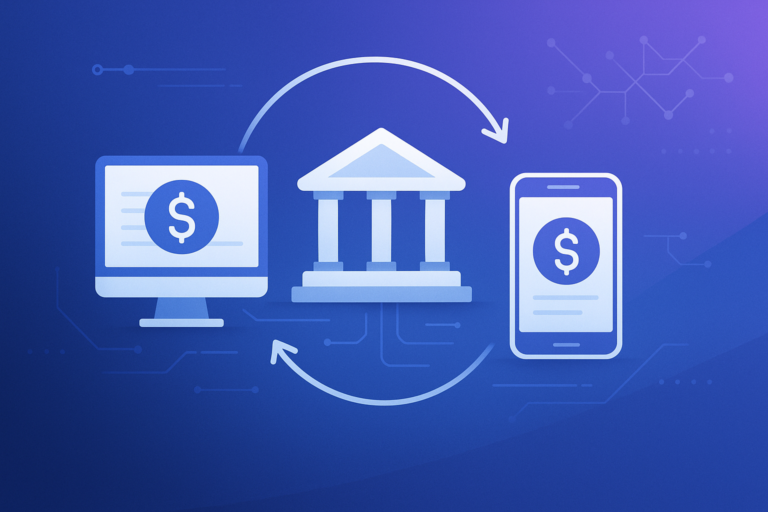
White-Label Remittance Systems in 2026: Navigating an Evolving B2B Landscape
As global commerce accelerates and digital ecosystems mature, the remittance industry is undergoing unprecedented transformation. For B2B enterprises, especially those seeking to launch or scale cross-border payment services, white-label remittance solutions have become the strategic backbone for rapid market entry, compliance, and customer experience excellence.
Why White-Label Remittance Systems Dominate the 2026 Fintech Landscape
Traditional remittance models are increasingly challenged by the demand for real-time transactions, regulatory complexity, and customer expectations for transparency and convenience. In response, white-label remittance platforms have emerged as the preferred pathway for banks, fintechs, and non-bank financial institutions (NBFIs) to offer branded, next-generation remittance services with unparalleled efficiency.
White-label providers deliver pre-built, fully compliant infrastructure that B2B clients can customize and deploy under their own brand. This approach eliminates the cost and risk of in-house development, accelerates go-to-market timelines, and ensures access to the latest technological advancements.
Key Trends Shaping Remittance Systems in 2026
- AI-Driven Compliance & Fraud Prevention: Advanced AI models now power real-time transaction monitoring, sanction screening, and identity verification. This enhances risk management and reduces manual overhead for providers and their clients.
- Embedded Remittance APIs: Seamless integration is the norm, with robust APIs allowing B2B clients to embed remittance capabilities directly into their apps, platforms, and digital wallets.
- Multi-Rail and Blockchain Connectivity: Leading white-label solutions offer flexible settlement options, including traditional banking rails, instant payment networks, and blockchain-based rails, ensuring cost-effective, rapid, and transparent transfers.
- Localized User Experience: Platforms now prioritize hyper-localization—supporting local languages, compliance nuances, and preferred payout methods for each corridor.
- ESG & Sustainable Remittances: Eco-friendly transaction options and transparent reporting on environmental impact are increasingly available, reflecting growing ESG commitments among global enterprises.
Benefits of White-Label Remittance Platforms for B2B Clients
Adopting a white-label remittance system in 2026 enables B2B organizations to:
- Accelerate Launch: Deploy branded remittance services in weeks, not months, leveraging pre-built integrations with banks, payout aggregators, and compliance vendors.
- Ensure Regulatory Compliance: Instantly access up-to-date compliance frameworks for global corridors, reducing legal risk and operational complexity.
- Enhance Customer Experience: Offer real-time tracking, instant notifications, and omnichannel support through customizable front-ends.
- Optimize Costs: Benefit from economies of scale, competitive FX rates, and transparent fee structures driven by platform competition and modular pricing.
- Future-Proof Operations: Stay ahead of evolving regulations and market standards with ongoing platform updates and access to new payment rails.
Critical Considerations When Choosing a White-Label Remittance Provider
With a crowded marketplace and diverse offerings, selecting the right partner is more crucial than ever. Decision-makers should evaluate providers against the following key criteria:
1. Compliance and Regulatory Coverage
Ensure the provider offers robust, continuously updated compliance modules for all target corridors—including KYC/AML, transaction monitoring, and data privacy regulations (e.g., GDPR, CCPA, and jurisdiction-specific rules in 2026). Look for AI-driven systems that adapt to new regulatory requirements in real time.
2. Technology Stack & API Flexibility
Assess the platform’s architecture for scalability, modularity, and ease of integration. Does the provider offer comprehensive, well-documented APIs and SDKs? Can the system support multi-currency, multi-rail settlements, and blockchain interoperability?
3. Network Reach and Payout Options
Evaluate the breadth of the provider’s payout network: number of corridors, supported currencies, and local payout methods (bank accounts, mobile wallets, cash pickup, cards). Consider if the platform can quickly onboard new corridors as your business grows.
4. Data Security and Transaction Transparency
Confirm that the solution meets the latest security standards (such as ISO 20022, PCI DSS 4.0, and advanced encryption protocols). Real-time tracking, transparent FX rates, and detailed reporting are now expected by both end-users and regulators.
5. Customization and User Experience
Look for providers offering granular control over UI/UX, branding, and customer journey design. The ability to localize language, content, and features for diverse user bases is critical in 2026’s competitive landscape.
6. Support and SLAs
Reliable, 24/7 B2B support with clear service-level agreements is non-negotiable. Ensure the provider offers dedicated onboarding, technical assistance, and proactive compliance updates.
Actionable Steps for B2B Remittance Success in 2026
- Define Your Go-to-Market Corridors: Prioritize regions and payout methods based on your customer base and business objectives.
- Prioritize Compliance Automation: Select partners with proven, AI-powered compliance to minimize manual intervention and regulatory risk.
- Test for Integration Agility: Conduct pilot integrations to ensure seamless fit with your existing systems and workflows.
- Leverage Data Analytics: Use real-time analytics dashboards for insights into transaction patterns, customer behavior, and operational efficiency.
- Plan for Scalability: Choose solutions with modular expansion options, allowing you to add new corridors, currencies, and features as needed.
2026 Outlook: The Future of White-Label Remittance Systems
The remittance sector is poised for further disruption in the coming years. With the global shift toward digital identity, programmable money, and real-time settlement, white-label providers are racing to integrate technologies like advanced biometrics, CBDC (central bank digital currency) rails, and smart contract-based payouts.
For B2B enterprises, the opportunity lies in leveraging these innovations to deliver hyper-personalized, compliant, and cost-effective remittance experiences—at scale. The most successful organizations will be those that partner with agile, technology-first white-label providers capable of evolving in step with regulatory and market demands.
Conclusion
In 2026, white-label remittance platforms have become mission-critical infrastructure for B2B organizations seeking to innovate and compete globally. By staying attuned to current trends, rigorously assessing providers, and prioritizing compliance, scalability, and customer experience, business leaders can unlock new growth opportunities and cement their place in the fast-evolving remittance ecosystem.